
By CESAR JOLITO III
Negros Occidental will not experience a rice shortage during the 60-day nationwide suspension of rice importation set to begin on September 1, according to the Department of Agriculture-Negros Island Region (DA-NIR).
Director Jose Albert Barrogo assured the public on Thursday, August 7, that the province is currently 86 percent rice self-sufficient, with the remaining rice requirements sourced from nearby Panay Island.
“Negros Occidental is in a stable position. We have enough local supply to cushion the effects of the import halt,” Barrogo said, highlighting the province’s strong agricultural base.
In contrast, Negros Oriental and Siquijor may face potential supply concerns due to lower rice self-sufficiency levels.
These areas rely heavily on imported rice from Cebu, which may be affected by the temporary importation ban.
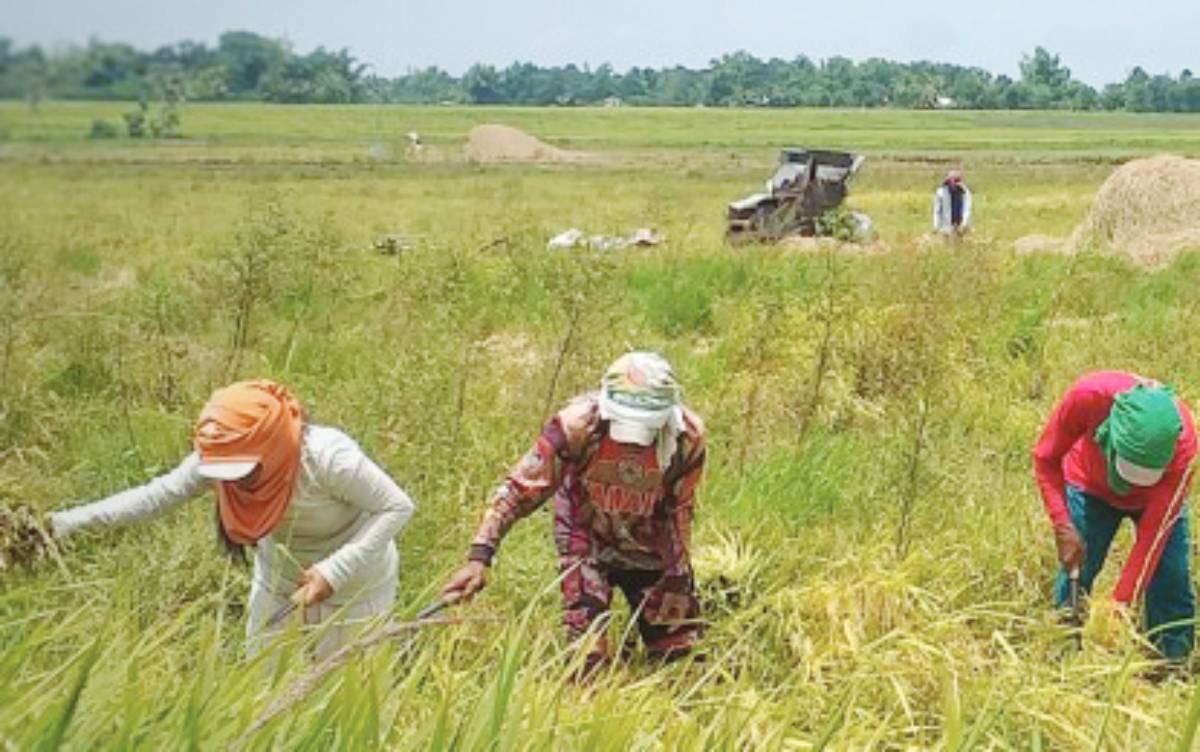
The 60-day suspension, mandated by President Ferdinand Marcos Jr., aims to protect and assist Filipino rice farmers struggling with low farmgate prices.
Barrogo emphasized that the policy could boost local palay prices, which currently range as low as P13 per kilo, a figure that barely meets production costs.
“This move could give our farmers a fighting chance,” he added.
The DA is expected to monitor regional rice supply and prices during the suspension period to ensure food security and market stability.
President Ferdinand Marcos, Jr. approved the 60-day import ban this year following the recommendation of Agriculture Secretary Francisco Tiu Laurel, Jr. in a bid to support local rice producers amid plunging farmgate prices during the coming harvest season.
Earlier, Negros Occidental Governor Eugenio Jose Lacson said the measure will shield farmers from the economic impact of low rice prices and ensure that the country’s existing rice supply is prioritized.
He said the current cost of producing palay (unhusked rice) is around P13 per kilo, while gate prices are only between P14 and P15 per kilo — leaving farmers with a profit margin as low as P1 per kilo./CJ, WDJ