
By CESAR JOLITO III
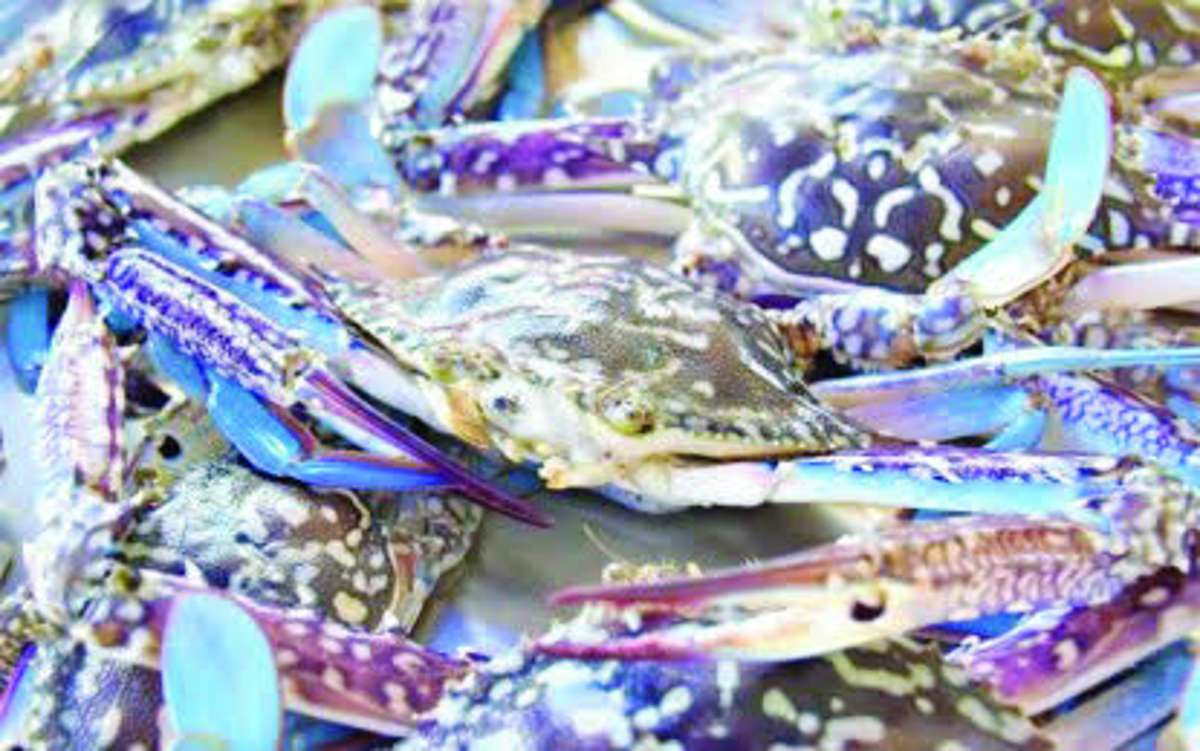
A community advocate has clarified that the United States’ restriction on Philippine blue swimming crab exports is based on compliance gaps under marine conservation requirements, and not on food safety violations or concerns over crab size or harvesting practices.
Community advocate Joel Jaquinta, in a public clarification, cited findings from the US National Oceanic and Atmospheric Administration (NOAA), which evaluated Philippine fisheries under the provisions of the Marine Mammal Protection Act.
According to the assessment, Philippine blue swimming crab fisheries were found lacking sufficient documentation and systems to demonstrate compliance with US standards on marine mammal protection.
These gaps include the absence of reliable monitoring frameworks, incomplete reporting mechanisms, and limited data on marine mammal interactions or mortalities within fishing operations.
NOAA maintained its earlier determination to keep the restriction in place after a reconsideration review, citing the continued absence of comprehensive monitoring and reporting systems required under US law.
The assessment further noted that other exporting countries, including Indonesia, Vietnam and Sri Lanka, were granted favorable comparability findings after submitting additional evidence demonstrating compliance with Marine Mammal Protection Act requirements.
Jaquinta emphasized that the issue is not linked to the harvesting of juvenile crabs or violations of US food safety regulations.
Instead, the restriction is rooted specifically in fisheries management compliance, particularly the need for stronger monitoring, documentation and reporting systems to align with international conservation standards.
The Philippine blue swimming crab industry remains under scrutiny as stakeholders assess steps needed to address the identified gaps and potentially regain access to the US market./CCJ, WDJ