
By CESAR JOLITO III
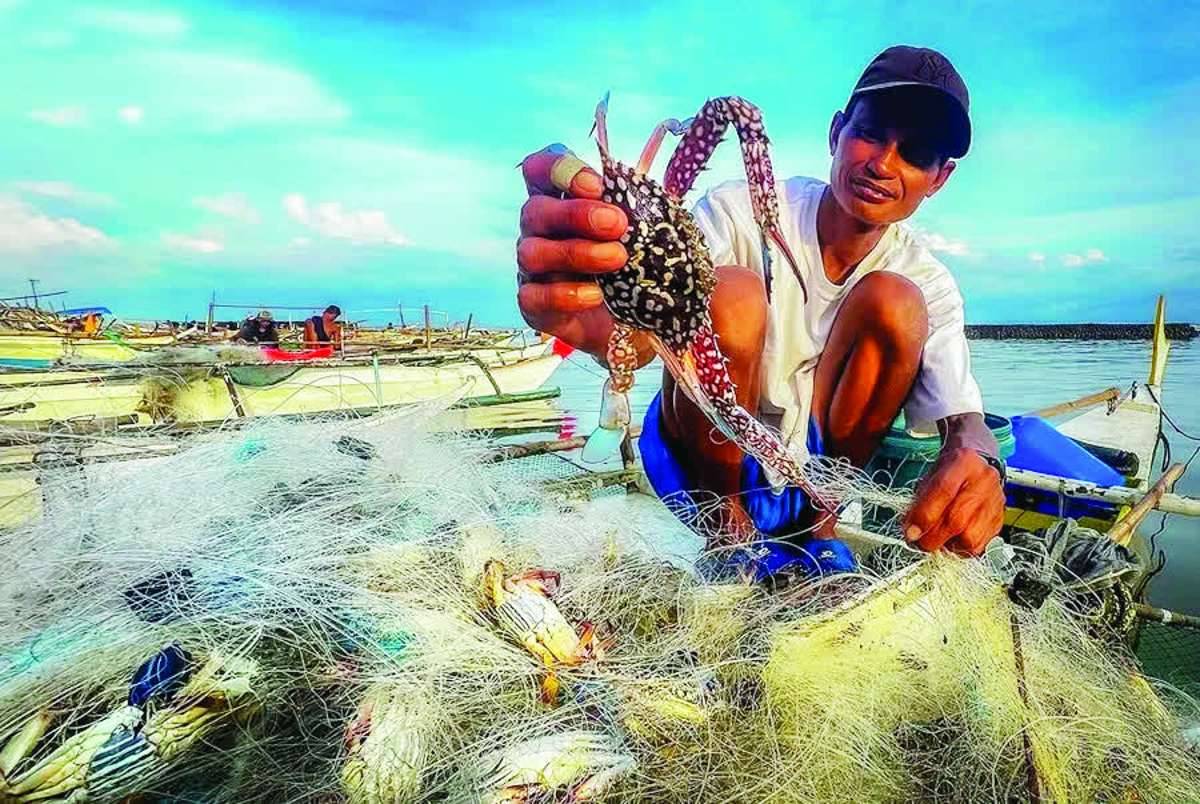
The Bacolod Sangguniang Panlungsod has approved a resolution urging national government agencies to take immediate action to cushion the impact of the United States import ban on blue swimming crabs in the Philippines, warning that the restriction threatens the livelihood of thousands of workers and fisherfolk.
The resolution also expresses support for an earlier measure passed by the Negros Occidental Sangguniang Panlalawigan calling for national government intervention to restore the country’s export access to the US market.
The city council appealed to the Department of Agriculture, Bureau of Fisheries and Aquatic Resources, Department of Environment and Natural Resources, Department of Trade and Industry, Department of Foreign Affairs, and other concerned agencies to implement coordinated measures aimed at minimizing the economic impact of the import restrictions.
Councilor Caesar Distrito said Bacolod is not only home to crab gatherers in coastal barangays such as Punta Taytay, Pahanocoy, Tangub, Singcang, Barangay 1, and Banago, but also serves as a major hub for crab processing, meat picking, packing, storage, administration, and export operations.
He noted that several crab processing and export companies operating in the city provide jobs to hundreds of Bacolod residents, particularly women employed in crab meat picking and processing.
“The blue crab industry supports not only fisherfolk and coastal communities but also hundreds of workers in processing plants. Any prolonged disruption in exports will inevitably affect families in Bacolod whose livelihoods depend on this industry,” Distrito said.
Reports cited in the resolution revealed that around 90 percent of Philippine crab meat exports are shipped to the United States, making the industry highly vulnerable to the recent import restrictions.
The council warned that reduced export demand could result in an oversupply of blue swimming crabs in the domestic market, driving down prices and cutting the earnings of fisherfolk, traders, processors, and exporters while increasing the risk of business losses and worker displacement.
Councilor Celia Flor stressed the importance of immediate government intervention, saying that protecting fisheries-based industries is essential to preserving jobs, sustaining local economies, and ensuring the welfare of affected families.
The city council has called on government agencies to work closely with industry stakeholders and local government units to address compliance issues linked to the import restrictions, strengthen adherence to international standards, explore alternative export markets, and provide assistance programs for affected workers and businesses.
“The livelihood of thousands of Negrenses and Bacolodnons is at stake. We stand united with the provincial government of Negros Occidental in calling for swift and decisive action from the national government to protect this vital industry and the families that depend on it,” Distrito added./CCJ, WDJ