
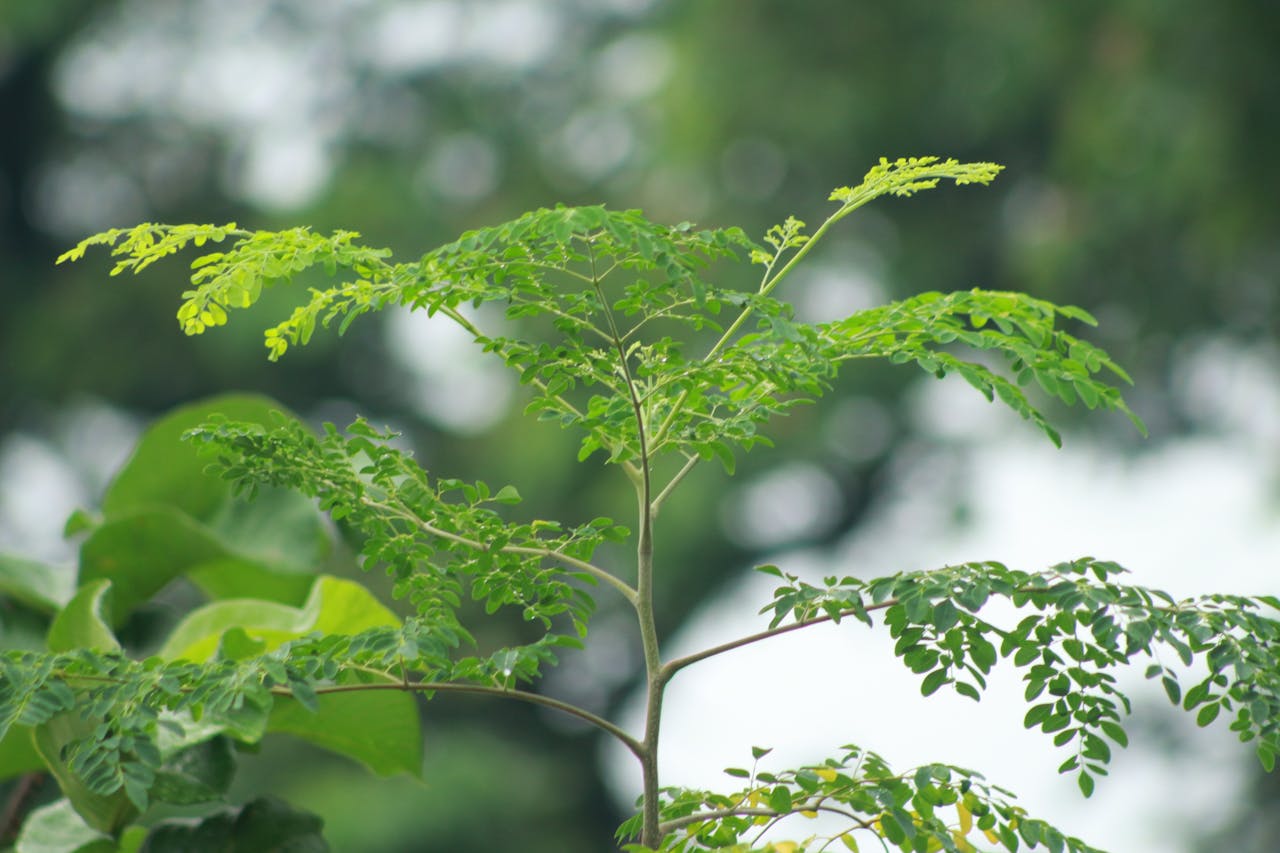
A plant long dubbed the “miracle tree” could offer a low-cost, eco-friendly solution to one of today’s most pressing environmental problems: microplastic contamination in drinking water.
A recent study highlighted by CNN found that extracts from the seeds of Moringa oleifera can remove up to 98 percent of microplastics from tap water.
Researchers from Brazil’s Institute of Science and Technology of São Paulo State University developed a saline extract from moringa seeds and tested it on water contaminated with microplastics.
The process relies on coagulation: Microplastic particles typically carry a negative charge, making them difficult to capture.
The moringa extract neutralizes this charge, causing the particles to clump together into larger clusters that can be easily filtered out.
In laboratory conditions, the method achieved removal rates exceeding 98 percent, comparable to widely used chemical coagulants such as aluminum sulfate.
Natural alternative
Scientists said the findings are significant as concerns grow over the environmental and health impacts of synthetic water treatment chemicals.
Unlike traditional coagulants, moringa-based solutions are biodegradable and non-toxic.
The plant itself is widely available in tropical regions and has long been used for food, medicine and even basic water purification. Its seeds contain natural proteins that bind to impurities, making them easier to remove.
Microplastics, or tiny plastic fragments smaller than five millimeters, have been detected in drinking water, food and even human organs, raising concerns about long-term health effects.
With millions of tons of plastic entering the environment each year, researchers are increasingly looking for sustainable and scalable solutions to limit human exposure.
Caution
However, experts cautioned that moringa-based filtration still needs further testing before it can be widely adopted in large-scale municipal systems.
Factors such as water composition and treatment processes may affect its efficiency.
Still, the study suggests the moringa tree, already valued for its nutritional and medicinal uses, could play a key role in addressing global water pollution challenges. (ABS-CBN News)