
By CESAR JOLITO III
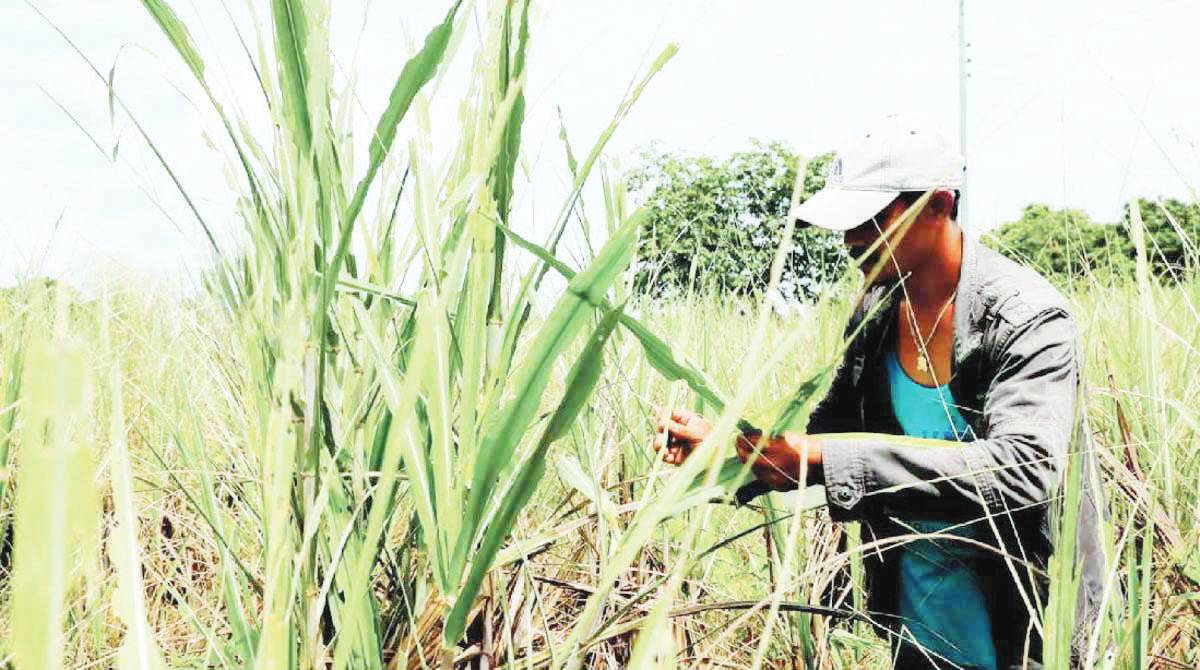
An organic pest management program has been rolled out by the Sugar Regulatory Administration (SRA) to curb infestations of the red striped soft-scale insects (RSSI), a growing threat to sugarcane production in Negros Occidental.
SRA Administrator Pablo Luis Azcona said they have collaborated with Hawaiian-Philippine Company (HPCo), which highlights a shift toward sustainable pest management in the sugar industry.
“Through this partnership, we’re not just solving today’s pest problem — we’re laying the groundwork for sustainable farming practices that will benefit generations of sugarcane farmers in Negros and beyond,” Azcona said.
He said this will align with broader efforts to promote climate-resilient and environmentally conscious farming.
Azcona led a site inspection in Silay City on September 6, underscoring the agency’s support for sustainable and eco-friendly solutions in partnership with sugar industry stakeholders.
The RSSI causes yellowing leaves, stunted cane growth, and shortened internodes, with infestations peaking from the fourth to 10th month after planting.
Traditionally controlled with chemical pesticides, the pest has been difficult to manage without also destroying beneficial insects.
To address this, HPCo has developed a biological control protocol that suppresses RSSI populations while protecting natural predators critical to maintaining field balance.
The method involves a three-phase treatment cycle: initial assessment and targeted spraying, follow-up evaluation with a possible second application, and final monitoring to ensure the recovery of beneficial insects.
“Our protocol focuses on disrupting pest growth and reproduction without harming beneficial insects,” explained Rodeo Suating, HPCo co-gen head and regulatory compliance officer.
“The aim is to reduce the pest population to a level where natural predators can take over,” he added.
Farmers to get first round of treatment for free
HPCo Chairman Paul Andrew Curran confirmed that the program will be extended across its mill district, starting with affected farms in Silay City and E.B. Magalona.
The first round of the organic solution will be provided free of charge, with farmers tasked to handle the actual implementation, including assessment, spraying and de-trashing.
The program gained momentum following the visit of Israeli experts Yael Skutelsky and Nina Lehmann, who trained local teams on advanced biological pest control methods in August.
Their input enabled HPCo to refine its system and formalize a treatment protocol tailored for varying levels of infestation.
“This effort is about protecting both our crops and our environment,” Suating said.
“We want every farmer in our district to access this solution and be part of the fight against RSSI,” he added.
By prioritizing organic alternatives, the initiative aims not only to safeguard current harvests but also to secure the long-term viability of sugarcane farming in Negros — the country’s top sugar-producing province./CJ, WDJ