
By CESAR JOLITO III
The Department of Agriculture in the Negros Island Region (DA-NIR) is working on measures to increase the buying price of palay (unmilled rice) to shield local farmers from losses as the peak harvest season begins this September amid the two-month importation ban on rice.
DA-NIR Regional Director Jose Albert Barrogo said some traders are currently buying palay for as low as P12 to P15 per kilo, far below the average production cost of P14.50 per kilo.
“Our target is to raise the buying price to P18 per kilo, so farmers can earn a sustainable income,” Barrogo said.
He warned that without intervention, many farmers could suffer financial setbacks despite favorable harvest conditions this year.
According to the DA, cheaper rice imports into the market resulted in palay buying prices by some private traders at just P8 to P10 per kilo, which is well below the production cost of P12 to P14 a kilo.
“Farmers have attributed this sharp decline to the influx of cheaper imported rice,” the DA said in a statement on August 5.
To achieve this, the DA-NIR is collaborating with the EcoAgri Foundation, a non-profit organization, to strengthen market support mechanisms for rice growers.
The agency is also banking on the two-month rice importation ban imposed by the national government starting September 1, which coincides with the harvest season.
Barrogo noted that this policy aims to give local farmers an advantage in selling their produce before imported rice enters the market.
“This move could give our farmers a fighting chance,” he said.
The DA is also expected to monitor regional rice supply and prices during the suspension period to ensure food security and market stability.
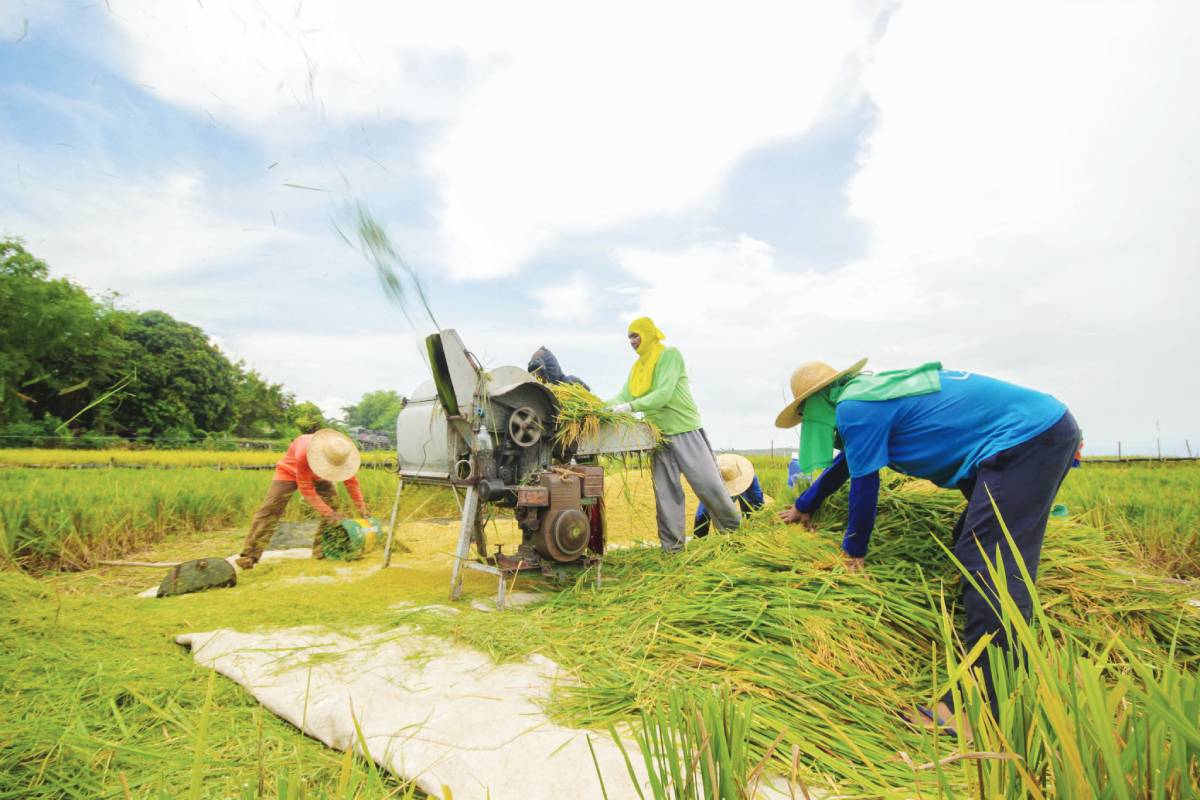
Farmers in Negros are expecting higher yields this year, with recent rains boosting crop growth without inflicting significant damage.
The bulk of the rice harvest is anticipated to enter markets by the second week of September, significantly increasing regional supply.
Barrogo said the DA-NIR remains committed to balancing farmer welfare with market stability, emphasizing that protecting rice producers is key to ensuring food security in the region./CJ, WDJ