

Kristine Rabaca was just a high school student at La Castellana National High School in Barangay Cabagna-an when the ground beneath her suddenly trembled.
A loud rumbling echoed through the air, and within minutes, Kanlaon Volcano erupted, marking another chapter in the long history of this restless volcano.
Kanlaon produced a 5,000-meter plume that brought coarse ashfall and sulfurous odor to the surrounding localities in Negros Occidental.
For Kristine and thousands of others living in its shadow, the eruption was not just a natural event — it was a life-altering experience.
“The rumbling was so loud, it felt like the whole school was shaking,” Kristine recalls.
“We saw ash falling like snow, and the sky turned dark. It was scary, but we knew we had to stay calm,” she added.
The eruption sent plumes of ash high into the atmosphere, blanketing nearby communities in a thick layer of volcanic dust.
Kanlaon, located in the heart of Negros Island, Philippines, is one of the country’s most active volcanoes.
Its eruptions have repeatedly disrupted the lives of those living within its vicinity, particularly in the provinces of Negros Occidental and Negros Oriental.
Displacement and damage
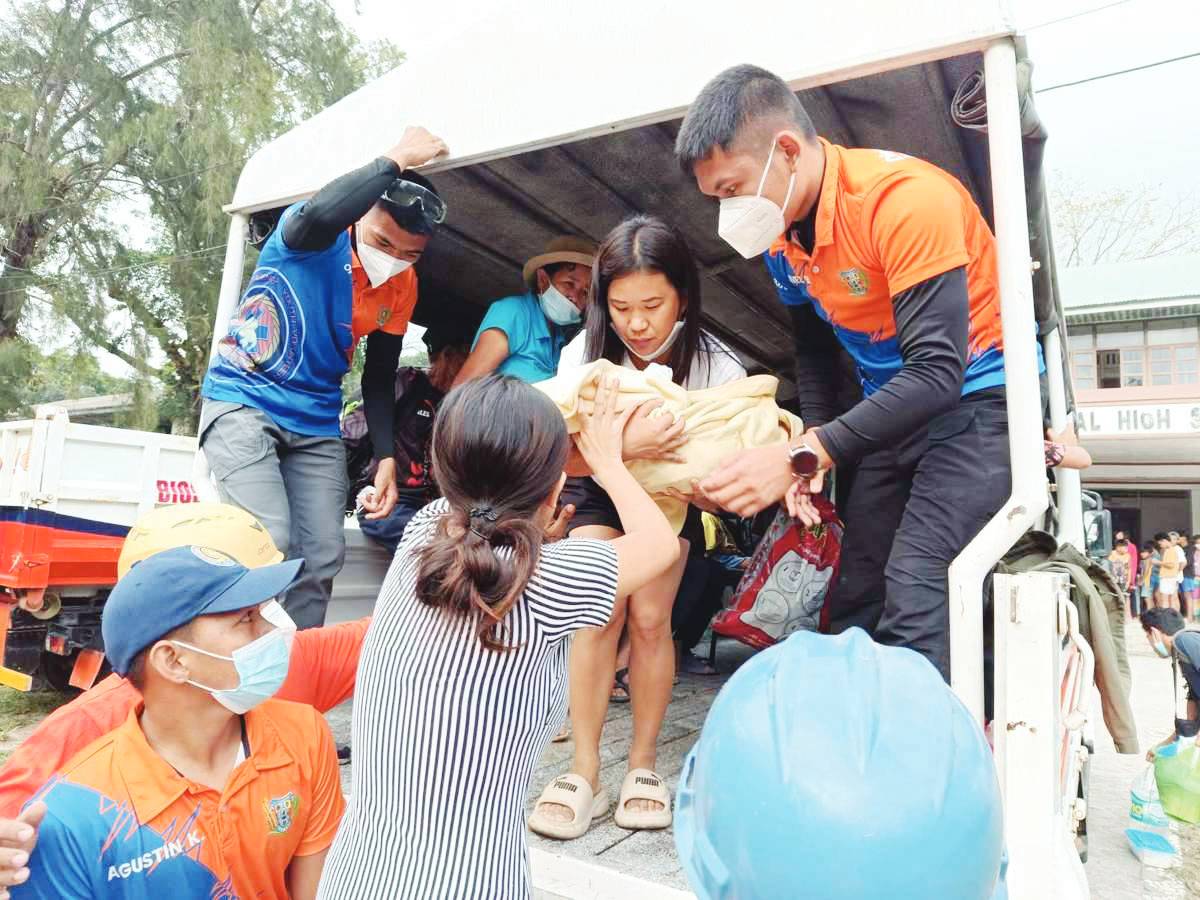
The June 2024 eruption forced thousands of families to flee their homes.
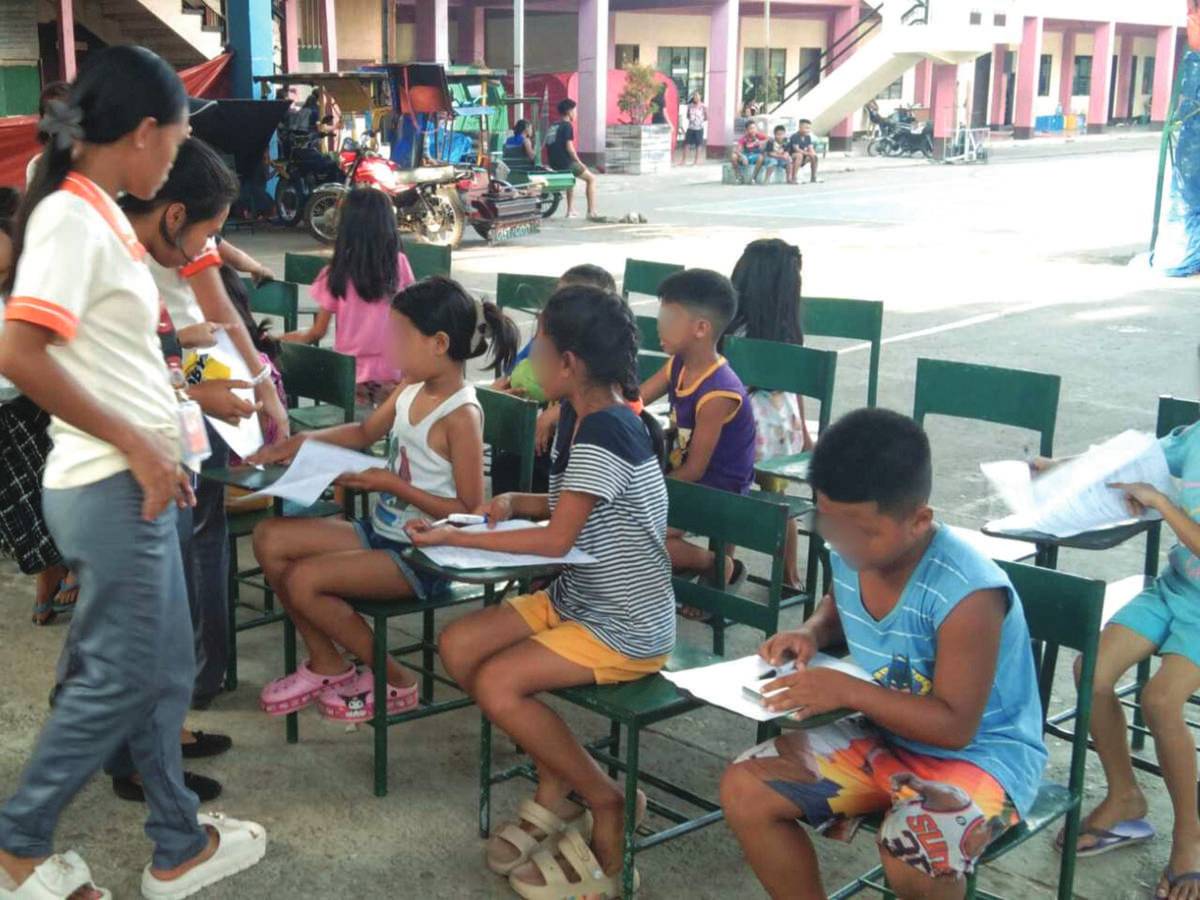
Evacuation centers quickly filled with displaced residents seeking shelter from the ashfall and potential lahars — dangerous mudflows triggered by heavy rains mixing with volcanic debris.
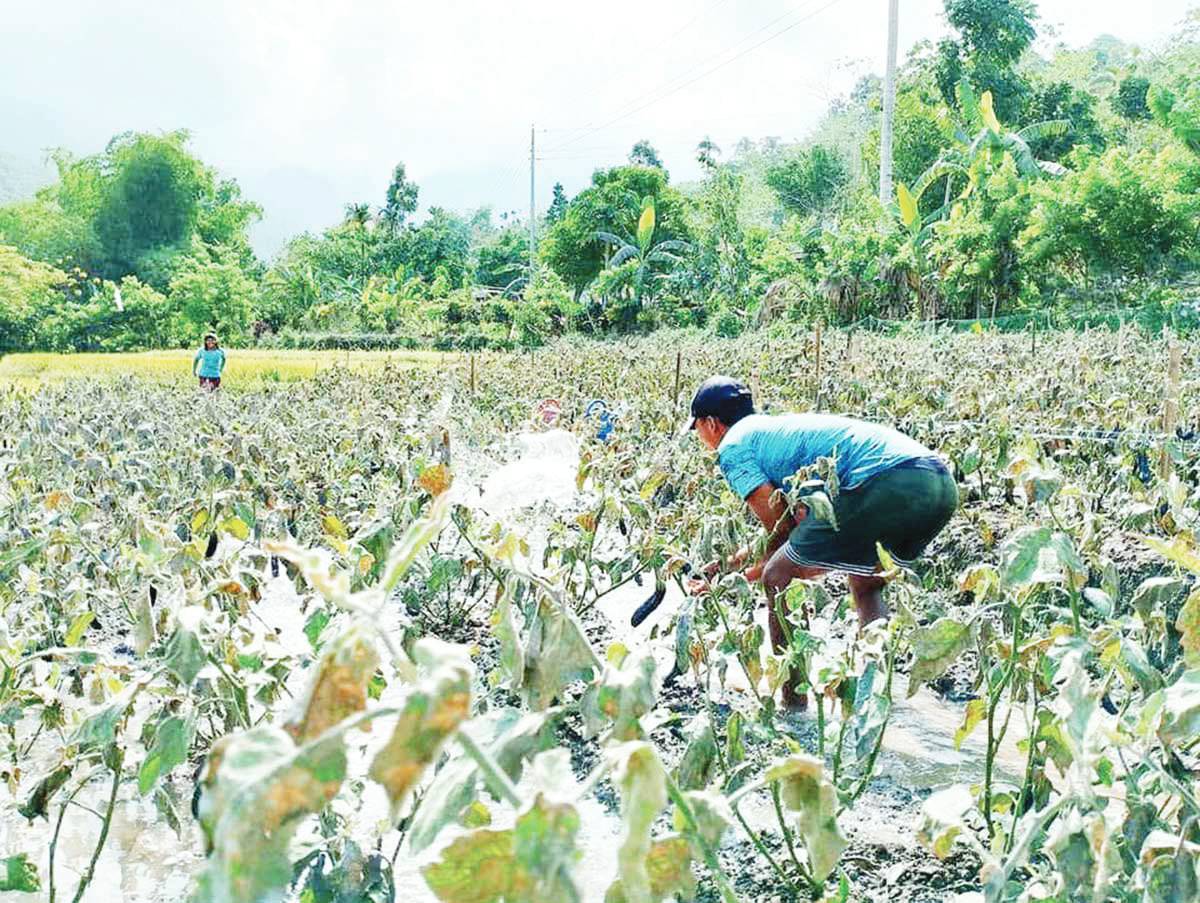
Maria Santos, a mother of three from a village near La Castellana, shares her ordeal: “We had to leave everything behind. Our house was covered in ash, and the fields where we grow rice and sugarcane were destroyed. We stayed in the evacuation center for weeks, unsure when we could return.”
The ashfall also contaminated rivers, leading to fish kills and forcing families to purchase drinking water.
Livelihoods dependent on farming and fishing were severely affected, compounding the hardship for many.
Coordinated relief efforts
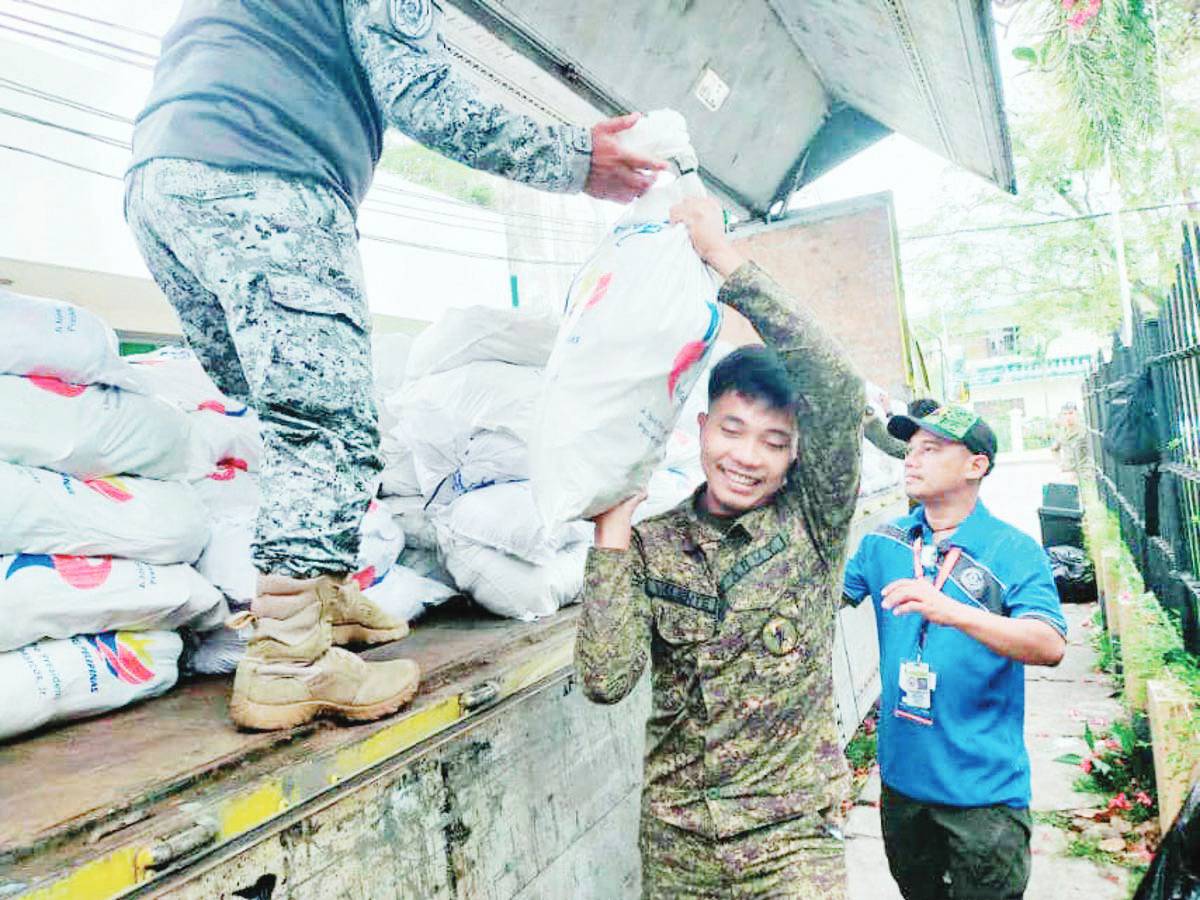
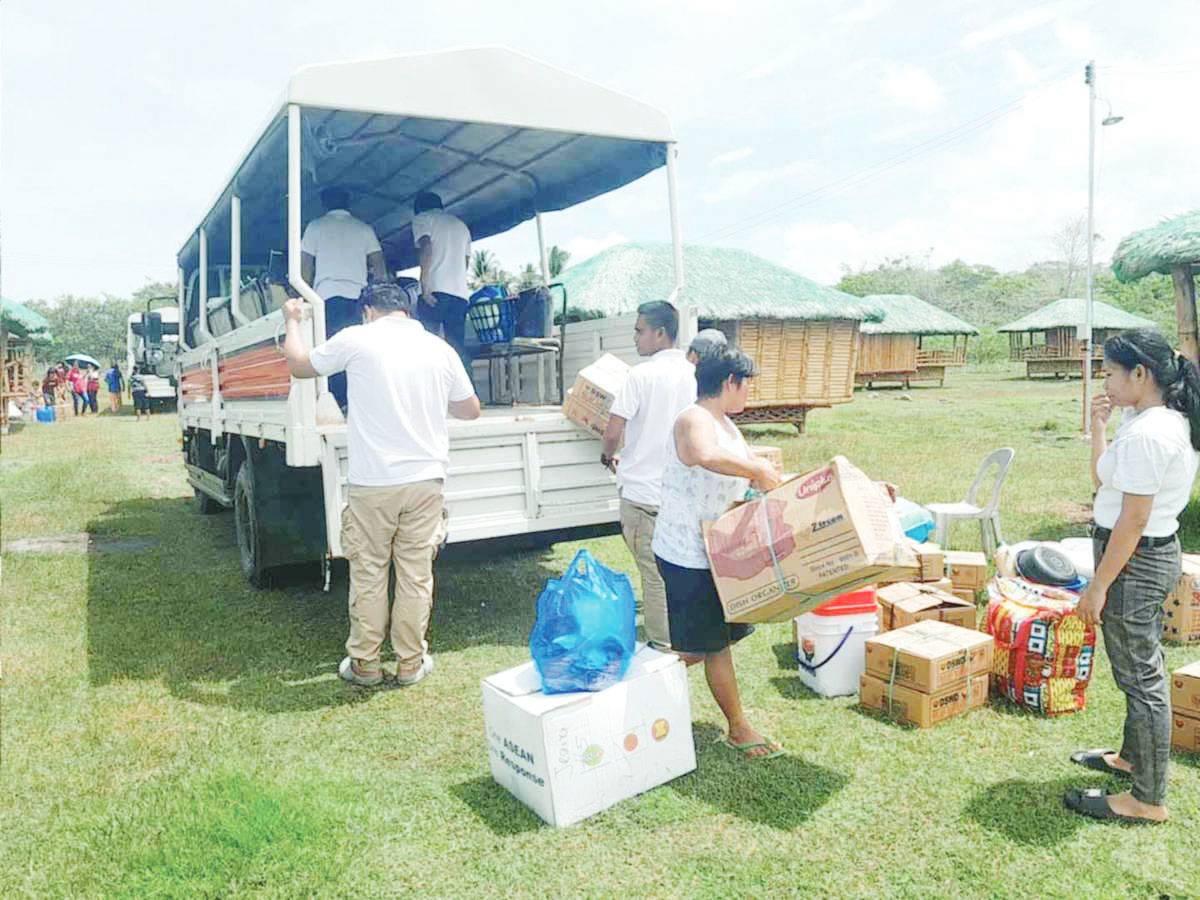
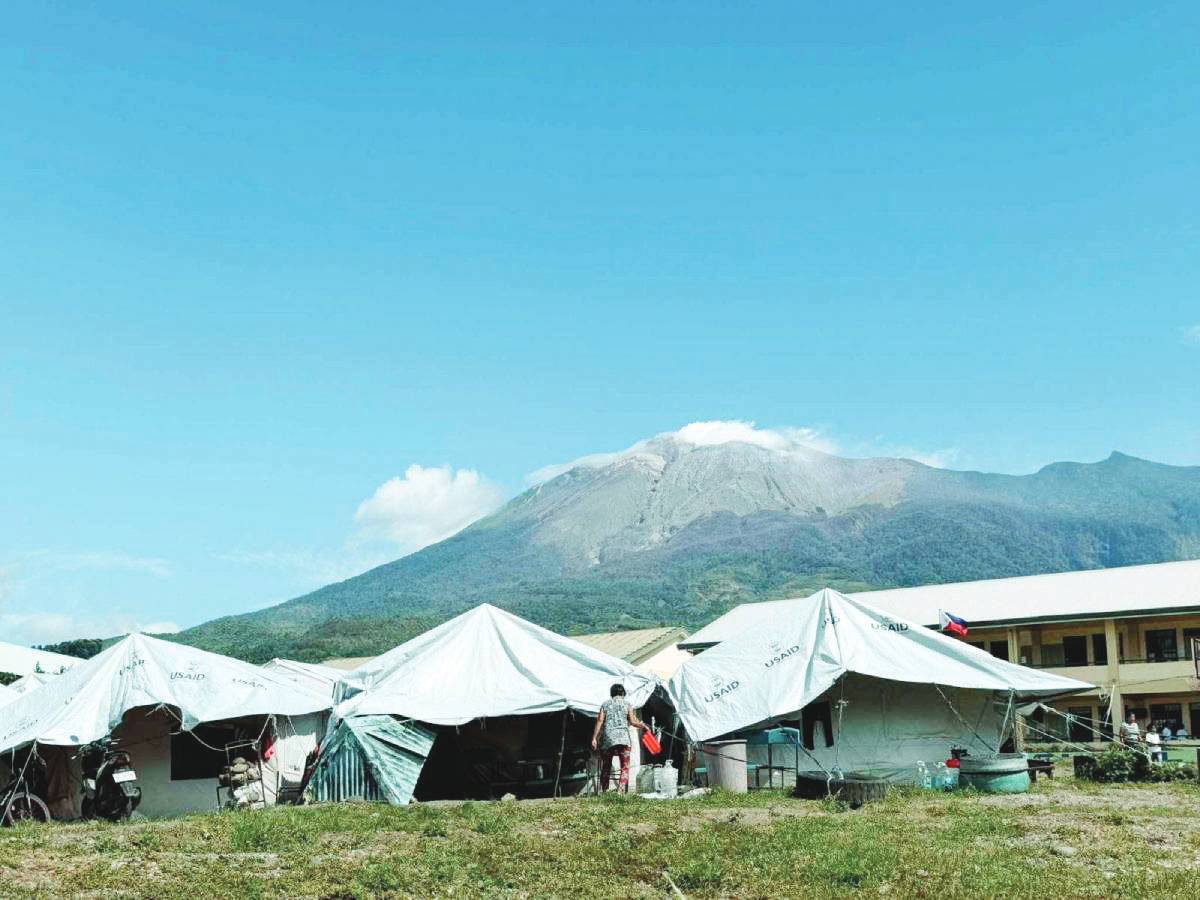
months at the Regional Evacuation Center in Barangay Lagasan. The Payag sang Kapag-on Village houses the evacuees from Purok Manokan, Barangay Ilijan, situated within Kanlaon’s six kilometer permanent danger zone. (Bago City Disaster Risk Reduction and Management Office photo
In response, government agencies and private organizations mobilized relief operations.
The Department of Social Welfare and Development reported that tens of thousands were affected, with over 8,600 families displaced by subsequent eruptions through early 2025.
Evacuation centers were established across multiple local government units (LGUs), including La Castellana town and La Carlota City in Negros Occidental, as well as Canlaon City in Negros Oriental.
The different private foundations played a vital role, distributing food packs and N95 masks to protect residents from inhaling ash particles.
LGUs provided essential supplies and coordinated evacuation procedures, while declaring states of calamity to expedite aid and funding.
The long road to recovery
Despite the destruction, volcanic eruptions like those of Kanlaon also contribute to the natural renewal of the land.
Volcanic ash enriches the soil, offering hope for future agricultural productivity.
However, the immediate aftermath remains challenging.
“Many farmers lost their crops and livestock,” agricultural officer Ramon Delgado said.
“We are working on rehabilitation programs to help them recover, but it will take time,” he added.
Health concerns also persist, with respiratory illnesses increasing due to ash inhalation.
Authorities continue to monitor the volcano closely, maintaining an Alert Level 2 status, which indicates a moderate level of volcanic unrest and posing life-threatening volcanic hazards.
Living with nature’s fury
Kristine’s story is emblematic of the resilience and strength of communities living near Kanlaon.
“We’ve learned to be prepared,” she said.
“The volcano is part of our lives, and while it can be dangerous, we support each other and hope for better days,” she added.
As the region rebuilds, the experience underscores the importance of disaster preparedness, effective response, and sustainable support systems.
For the people of Negros Island, the roar of Kanlaon is a reminder of nature’s power — and their enduring spirit in the face of adversity./JB, WDJ