

By CESAR JOLITO III
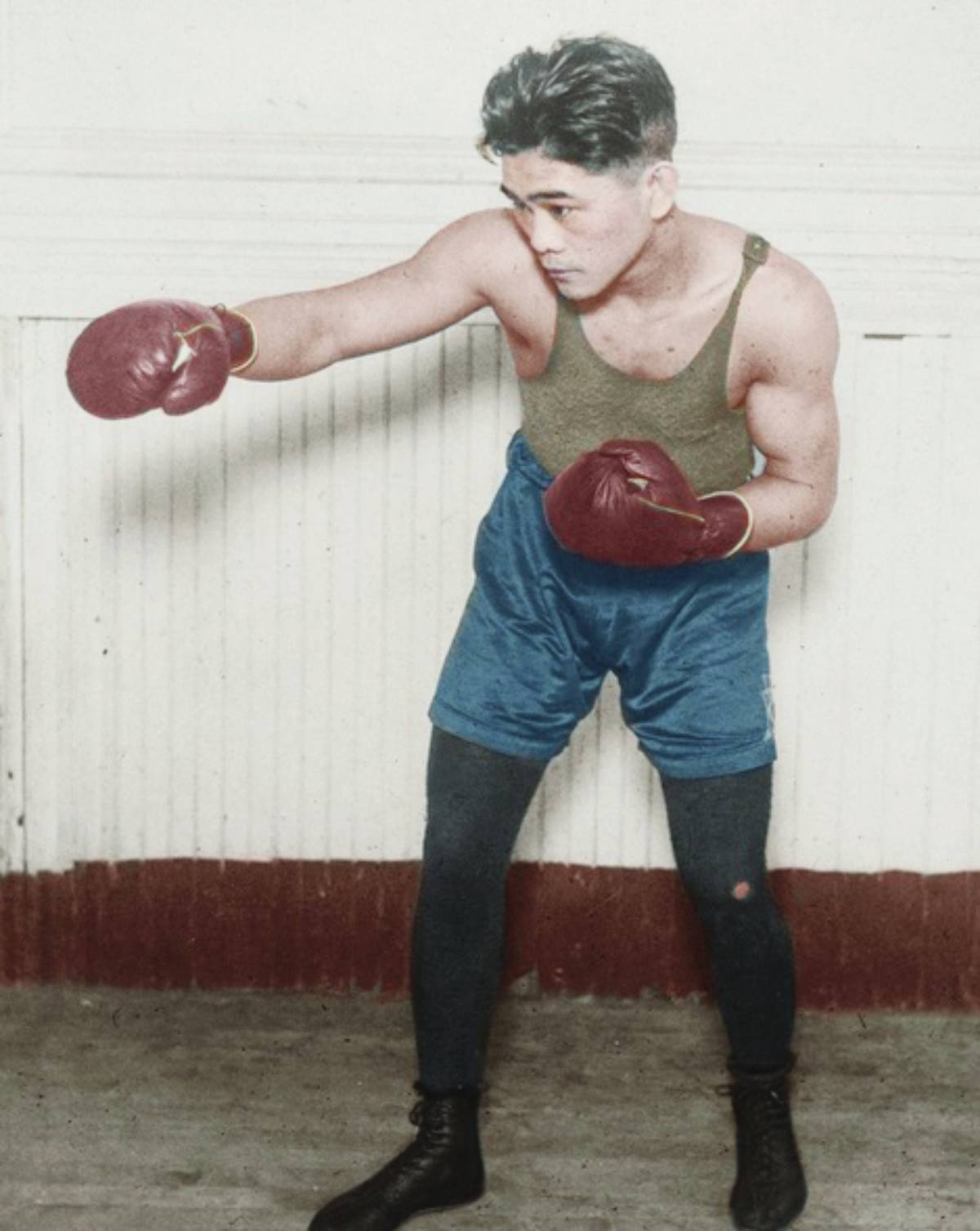
Exactly 100 years after his untimely death, the Philippines is once again paying tribute to Pancho Villa — not merely as a boxing legend, but as a national symbol of courage, grit and pride.
Francisco Guilledo, a Negrense, known worldwide by his ring name Pancho Villa, died on July 14, 1925, at just 23 years old.
Though his life was cut short, his impact remains immense: He was the first Filipino and Asian to become a world boxing champion, defeating the great Welshman Jimmy Wilde in New York in 1923 and placing the Philippine flag firmly on the global sports map.
Born in poverty in Negros Occidental’s Ilog town on August 1, 1901, Villa, the son of a vaquero (cowhand) and an abandoned housewife, rose from humble beginnings.
He grew up in the hacienda of a wealthy local, helping his mother raise goats and cut sugarcane she tended on the farm.
At age 11, he moved to Iloilo, shining shoes and selling coconuts.
Fame
Discovered in Manila and managed by Paquito Villa, the then 16-year-old Negrense adopted his iconic ring name in homage to the Mexican revolutionary, embodying a spirit of defiance and resilience.
Villa would occasionally spar with friends and soon attracted the attention of local boxing habitués.
He fought his first professional fight in 1919 against Alberto Castro.
His boxing style — aggressive, intelligent and relentless — electrified crowds both at home and abroad.
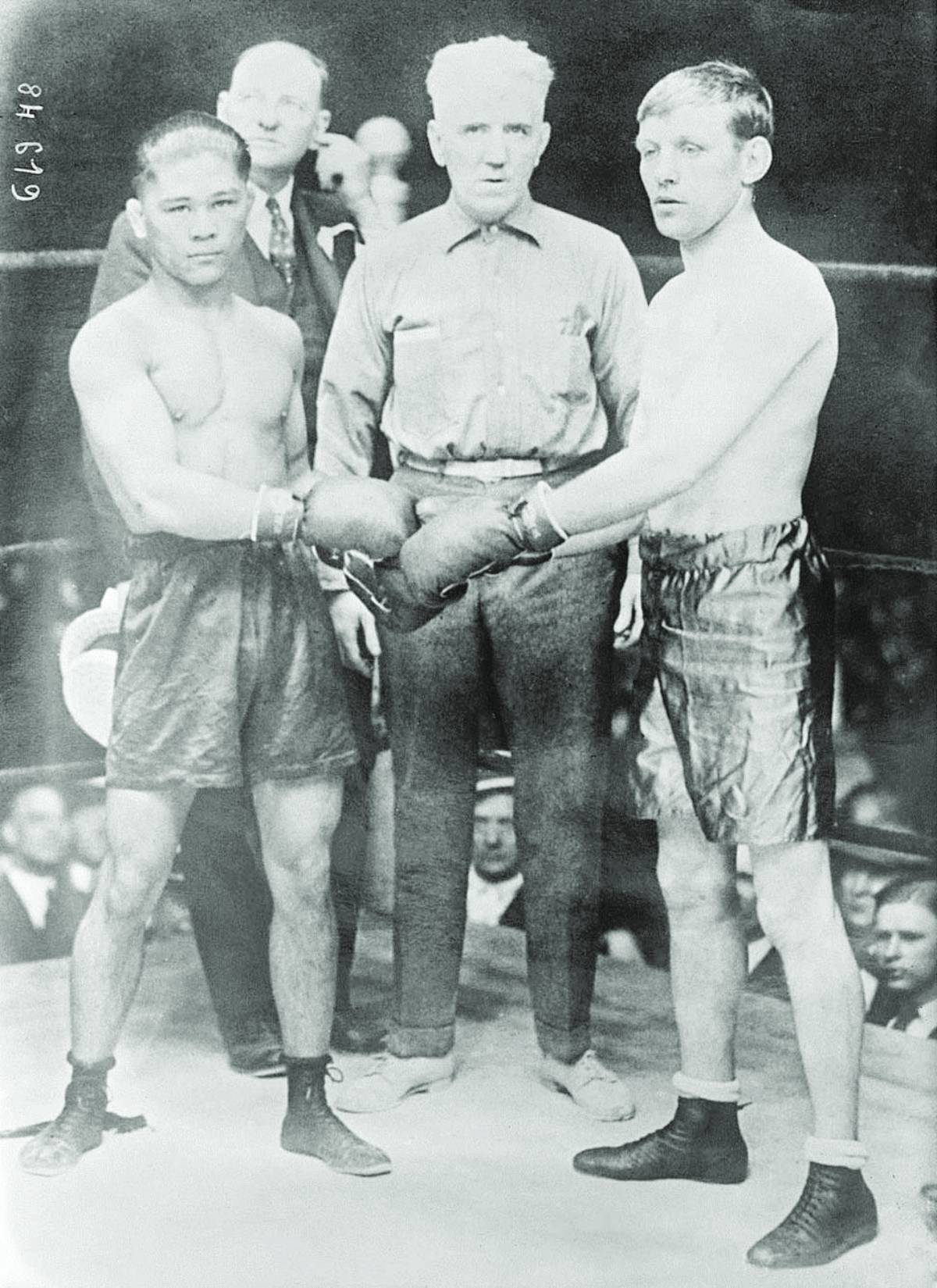
On June 18, 1923, in New York’s Polo Grounds, Villa faced the undefeated 31-year-old Wilde, considered the greatest flyweight of his era.
With 40,000 spectators crowding the bout, even some making the impression, Villa’s fighting ability was often framed in terms of racial stereotypes.
Villa delivered a masterclass in aggression and precision, a relentless flurry of punches, in the set of rounds.
The Filipino challenger knocked Wilde down in Round 5.
Everyone thought it was over, but his foreign opponent refused to quit and summoned his remaining strength to get back on his feet.
In Round 7, Villa knocked out Wilde with a clean strike to the jaw.
His victory over Wilde made him the first Asian to win a world boxing championship, making the Western boxing world tremble.
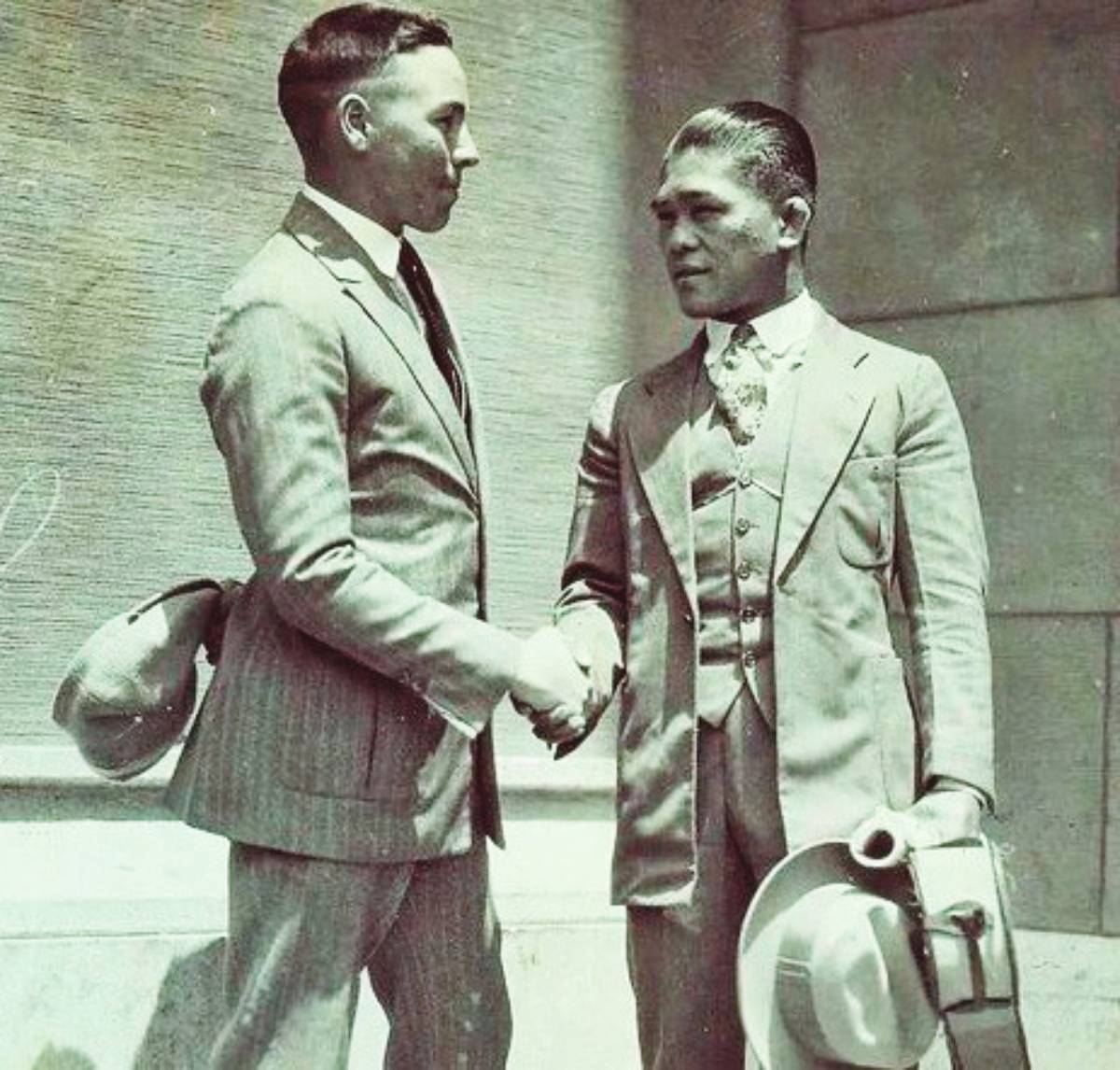
At that time, Villa was enjoying life in New York along with his newfound fame and the money that came with it.
He was winning friends through his natural charm and warm personality as fast as he was winning fights, not to mention no small number of female admirers.
Villa received a hero’s welcome when he returned to Manila in 1924, as he enjoyed a huge victory party after treating his countrymen to a winning performance in the first world championship bout.
Tragedy
But Villa’s life took a tragic turn.
After a victorious homecoming fight against fellow Filipino Clever Sencio in Manila in May 1925, he returned to the US, where he fought a non-title fight with future hall-of-famer Jimmy McLarnin in San Francisco despite an infected tooth.
On the day of the match, July 4, 1925, Villa went to the dentist for a tooth extraction.
He was advised to stay at home and rest, but he still wanted to fight, disobeying the doctor’s orders.
Villa ended up spending most of the fight using one hand to protect his afflicted face.
McLarnin emerged as the victor, winning on a points decision.
Days after the bout, the infection worsened into Ludwig’s angina, a rare, fatal bacterial condition, spreading to his throat and through his bloodstream.
He died in surgery on July 14 — undefeated in legacy.
Flyweight champion
Villa’s final record in his entire boxing career stands at 79 victories, five defeats and four draws.
Though he died young, Villa’s influence endured.
The Associated Press named him “Flyweight of the Century” in 1999.
He was inducted into the International Boxing Hall of Fame in 1994, and Ring Magazine ranks him among the best of all time.
Over the decades, Villa’s story dimmed from public view.
His grave in Manila North Cemetery was left neglected for years, until 2024, when artist Rudy Aquino and sculptor Frederic Caedo restored the site, complete with a new bronze bust.
The effort sparked renewed national attention and led to a wave of commemorations in his centennial year.
Today, Villa is being celebrated not just for his titles but for what he represented during a time of colonial rule — a Filipino who earned global respect through discipline, sportsmanship and heart.
His legacy now fuels educational programs, documentaries and youth inspiration initiatives, as his story is used to teach perseverance and patriotism.
A century after his final round, Pancho Villa’s punches still echo — a fighter not just in the ring, but for a nation finding its voice./CJ, WDJ