
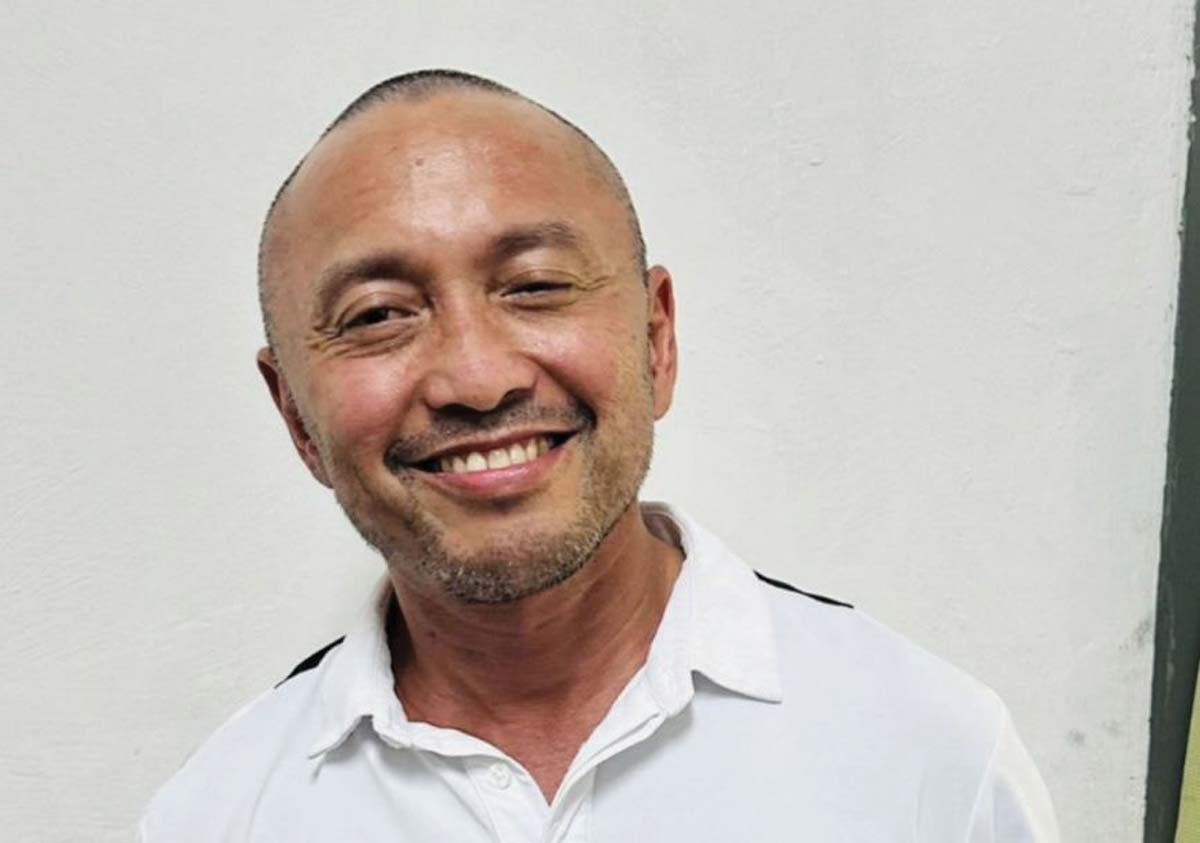
The Department of Justice (DOJ) on Saturday, September 7, said “it will not be too long” before expelled lawmaker Arnolfo Teves, Jr. would return to the Philippines, noting that the government of Timor-Leste does not want the fugitive “to stay longer” in their country.
Teves fled the Philippines last year after he was tagged as the alleged mastermind behind the murder of late Negros Oriental Governor Roel Degamo, who was shot to death in a compound in March 2023.
“Ang President ng Timor-Leste mismo na si Jose Ramos-Horta mentioned na it will not be too lang before he [Teves] will go home,” DOJ Assistant Secretary Mico Clavano said in a news forum.
“I don’t think that the President of Timor-Leste wants him to stay longer,” he said.
The DOJ expects extradition operations against Teves to start in the coming weeks, after Pope Francis’ visit in the southeast Asian nation.
“There is a papal visit happening [in Timor-Leste] from September 9 to 11,” the DOJ spokesperson said.
“We hope to execute the operation right after the papal visit … That will depend on the authorities of Timor-Leste,” he said.
The Philippine government earlier released a statement, saying that Timor-Leste’s Court of Appeals has denied Teves’ request to reconsider his extradition.
But the former lawmaker’s legal counsel labeled the announcement as “fake news.”
“Nagpalabas ng pahayag na deny ang apela, fake news po ‘yan. Wala pang decision,” Teves’ lawyer Ferdinand Topacio said in a separate news briefing.
“Ang lumabas ay stay order. Nalito si Totoy [Clavano]. That’s the problem when you send a boy to do a man’s job,” he said.
“Wala pang desisyon… He’s been released within Timor-Leste. We’re resorting to all legal processes,” he said.
Teves’ camp has repeatedly asserted that the Negrense politician fled the Philippines to avoid political persecution.
In February, the DOJ said it received an order from a Manila court for the immediate cancellation of Teves’ passport as the court ruled that the former lawmaker is “indeed a fugitive from justice” whose right to travel can be restricted in the interest of public safety.