
By CESAR JOLITO III
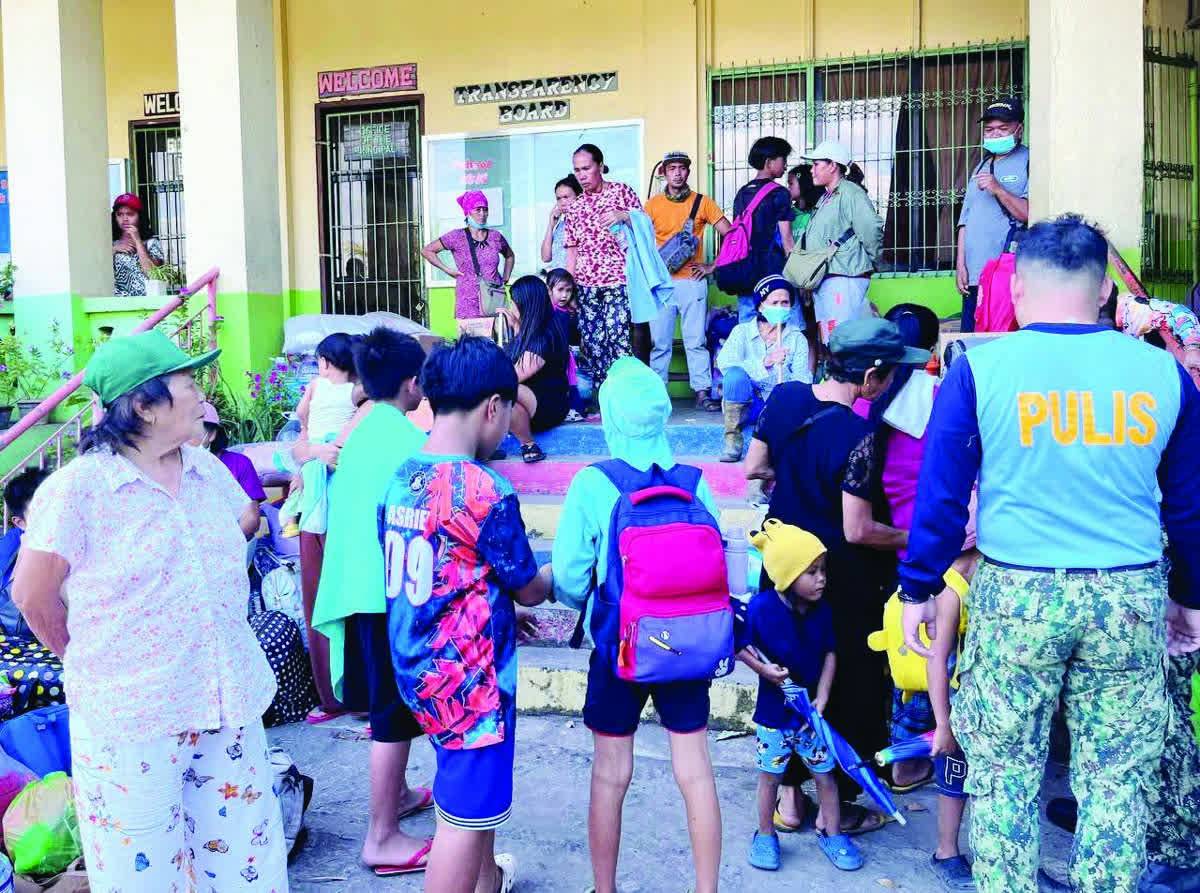
More than 14,000 families, or an estimated 70,000 individuals, could be affected if the alert status of Kanlaon Volcano is raised to Alert Level 3, authorities warned.
Donato Sermeno III, director of the Office of Civil Defense in the Negros Island Region, said the estimate is based on the potential expansion of Kanlaon’s danger zone from the current four-kilometer permanent danger zone to a six-kilometer extended danger zone.
Currently, Kanlaon remains at Alert Level 2, with authorities continuing strict monitoring to ensure the safety of nearby communities.
Sermeno added that authorities continue to closely monitor Kanlaon’s activity, which has recently included 13 volcanic earthquakes and the emission of 1,665 tons of sulfur dioxide.
These readings have been deemed “alarming” based on previous eruptions and ash events.
Local government units (LGUs) near the volcano remain on alert, Sermeno said.
Following the explosive eruption on February 19, the Philippine Institute of Volcanology and Seismology (Phivolcs) issued an initial warning that Kanlaon’s alert status could be raised to Level 3.
LGUs were instructed to maintain readiness for any developments while keeping residents informed.
Phivolcs reiterated that the volcano has been undergoing gradual and fluctuating inflation since 2022, a process attributed to magma moving beneath the edifice.
A short-term swelling phase that began in late January 2026 was observed ahead of the recent eruption.
This pattern, according to Phivolcs, mirrors the eruptive behavior first seen in June 2024, when moderately explosive activity produced similar seismic signals and volcanic hazards./CJ, WDJ